A clean room can still harbour bed bugs because cleaning removes visible evidence without necessarily reaching eggs, hidden adults, or insects in adjoining spaces. You will learn how to identify the source of a rebound, stop the infestation from spreading, and judge whether your response needs monitoring, repeat treatment, or a broader inspection.
Key takeaways
- Inspect mattress seams, bed frames, skirting boards, and nearby furniture.
- Use heat and targeted treatment; cleaning alone cannot kill hidden infestations.
- Repeat inspections because eggs hatch after the first treatment.
- Check adjoining rooms, luggage, furniture, and shared walls for reinfestation sources.
A clean room can still contain hidden bed bugs
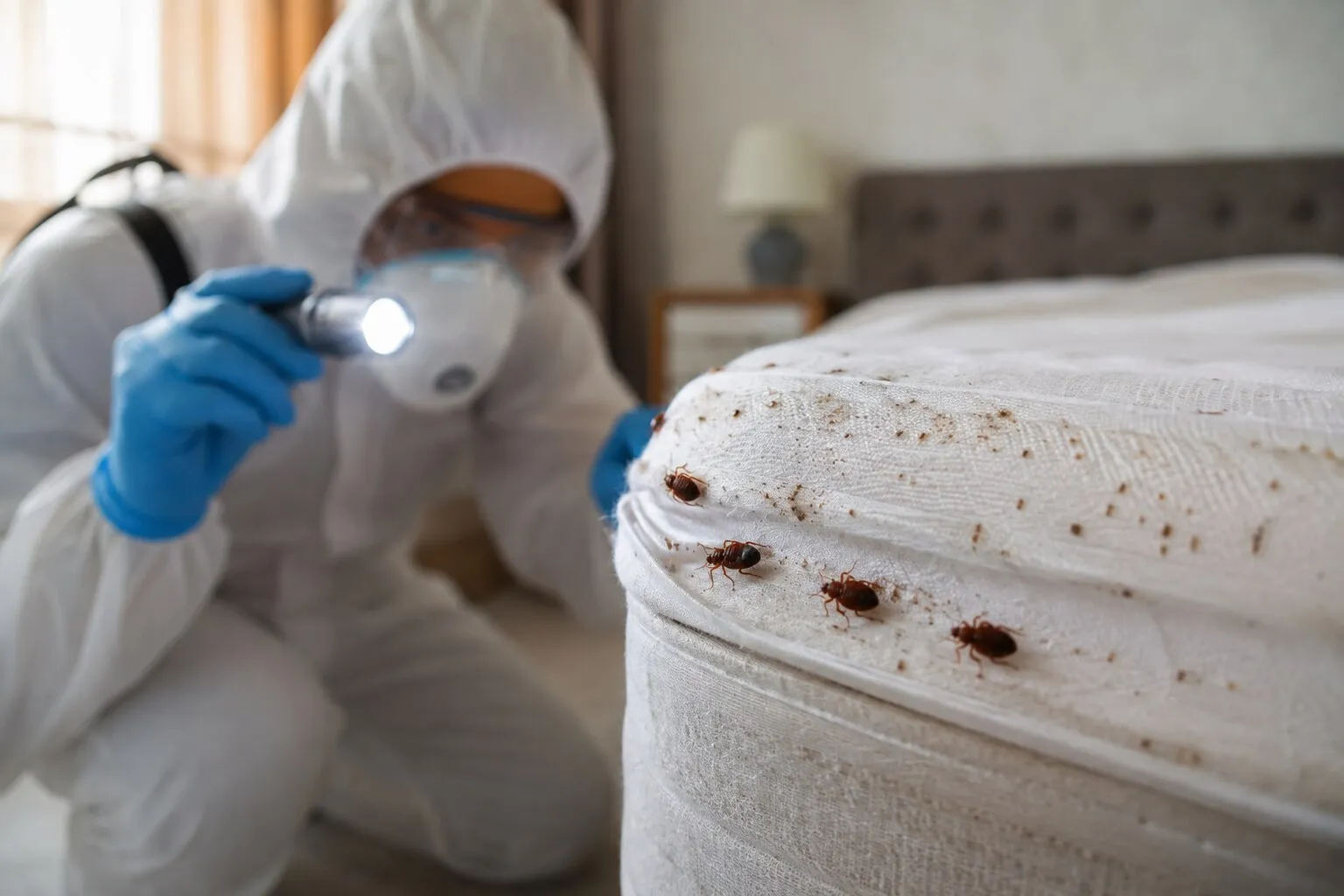
Vacuuming, washing, and tidying remove exposed insects and visible signs, but they do not reach every hiding place. A clean room can still hold bed bugs in:
- Mattress seams and the underside of labels
- Bed frames, joints, and screw holes about 2 mm wide
- Skirting-board gaps, wall cracks, and electrical outlet covers
- Sofa joints, curtains, nearby clutter, and luggage
Vacuuming is a removal step, not a complete treatment. It may collect bugs and eggs in the open, yet flattened insects can remain deep inside furniture, walls, or other inaccessible voids. Seal the vacuum bag or contents immediately and discard them outdoors; surviving insects can escape inside your home.
Washing sheets also treats only what goes into the machine. Clothes, bedding, and washable covers need the hottest safe dryer setting for the fabric to kill hidden insects, while the mattress, bed frame, sofa, and surrounding structure remain untreated.
Simply changing rooms or leaving the bedroom unused does not reliably starve bed bugs; they can survive for months without feeding under favorable conditions.
A mattress encasement removes seams as hiding places and makes inspection easier, but it does not kill bugs elsewhere. Keep it intact. Bed-leg interceptors help reveal movement toward the sleeper, yet they work only when the bed stays away from walls and bedding does not touch the floor.
Seeing bed bugs after cleaning therefore points to hidden survivors, not failed housekeeping.
Cleaning removes evidence; heat and treatment control the infestation
A room can look spotless after vacuuming bed bugs from a mattress edge and washing bedding, yet hidden insects can remain in seams, bed-frame joints, screw holes, skirting-board gaps, sofa joints, curtains, luggage, and wall cracks. Cleaning removes exposed evidence; it does not prove that every life stage has been reached.
| Method | What it removes or kills | Main limitation |
|---|---|---|
| Vacuuming bed bugs | Removes bugs and loose eggs in reachable areas | Misses insects deep in cracks, fabric folds, and furniture joints |
| Washing bedding | Cleans fabric and removes some insects | Washing alone is not dependable control |
| Tumble dryer high heat for 30 minutes | Kills bed bugs on heat-tolerant items | Items must receive the full cycle without overloading |
| Steam treatment for bed bugs | Kills bugs and eggs touched by sufficiently hot steam | The nozzle must move slowly across every hiding place |
| Targeted treatment | Reaches harbourages and addresses the infestation | Needs preparation, correct application, and follow-up |
Heat makes laundry-based control dependable: place suitable items in a tumble dryer on high heat for 30 minutes. Seal items that cannot tolerate heat and use an approved alternative rather than guessing.
A complete treatment also targets the bed frame, nearby furniture, cracks, and voids. Foggers are not a substitute; their aerosol often misses harbourages and misuse can cause fire, illness, or explosion. Leaving the room unused will not reliably starve hidden bugs, which can survive for months and resume feeding later.
Eggs and life stages create the rebound
A first treatment can reduce visible adults without ending the infestation because bed bug eggs are glued to surfaces and are harder to remove than loose debris. One surviving egg can hatch into a nymph after the initial application, creating a fresh sighting days or weeks later.
The bed bug life cycle explains the rebound:
- Eggs remain attached in protected cracks and may survive the first treatment.
- Bed bug nymphs emerge smaller than adults, hide near feeding areas, and shed their skins through five stages as they mature.
- Adult bed bugs can stay concealed for months without feeding, then resume activity when a person sleeps nearby.
A later sighting does not mean cleaning created new insects. It often means an egg hatched, a nymph developed, or an adult remained in an untreated void that vacuuming and surface cleaning could not reach.
Leaving the room empty does not reliably starve them, and a fogger cannot substitute for targeted treatment because its aerosol may miss cracks and wall voids.
Arrange a repeat inspection instead of judging success from one quiet night. The inspection should check the bed area and nearby upholstered furniture, storage spaces, and adjoining rooms; repeat treatment is needed when live bugs or newly hatched nymphs are found. Seal vacuum contents outdoors immediately, since collected insects can escape and restart the problem.
Reinfestation often starts outside the room you cleaned
A room can be spotless and still be reinfested because bed bugs arrive from an untreated place or hitchhike on a belonging. Cleaning the bed does not protect it from the next source.
Bed bugs spreading between rooms happens through gaps around skirting boards, pipes, wiring, door frames and other service routes. Treating one bedroom while bugs occupy a sofa, storage area or another bedroom leaves a route back.
Common ways they return include:
- Luggage and clothing carried home after a hotel stay
- Bedding, bags or coats brought by a visitor
- Used furniture, mattresses or upholstered chairs
- Belongings moved from an infested room, flat or workplace
In multi-unit buildings, adjoining apartments can share the problem. A landlord or pest professional may need access to connected flats because treating only your unit can produce a temporary improvement, not control.
Do not assume that an unused bedroom has starved the bugs. Bed bugs can survive for months without feeding under favorable conditions, then resume feeding when someone returns.
Interceptors under bed legs help reveal activity, but they do not kill bugs hidden in walls, furniture or other rooms. Keep the bed away from walls and bedding off the floor so the monitoring setup works. A fresh sighting outside the cleaned room calls for inspection of the whole route, not another round of tidying.
Use a post-treatment plan that proves whether control worked
A treatment is not proven by an empty bed on the next morning. Keep the room arranged for monitoring and follow the technician’s scheduled follow-up date; a surviving egg can hatch after the first visit.
- Keep mattress and box-spring encasements sealed and intact. Do not open or tear them, because trapped insects can escape.
- Place bed bug interceptor traps under every bed leg. Keep the bed away from the wall, and prevent sheets or blankets from touching the floor.
- Maintain bed isolation. Do not sleep on a sofa or move the bed to another room, since either action can spread surviving bugs.
- Check the traps and perform a live bugs and shed skins inspection at the follow-up interval. Record the date, location, and number of findings.
- Do not use a fogger as a substitute for follow-up. Its aerosol may miss cracks and voids, while misuse can cause fire, illness, or an explosion.
Request an integrated inspection if you find a live bug, fresh shed skin, or activity beyond the isolated bed after treatment. Ask for repeat service when evidence remains at the scheduled review, the infestation has reached another room, or preparation problems prevented access to hiding places.
Doctors Pest Control Service 9820089331 can help assess whether the next step needs monitoring, targeted treatment, or a broader inspection rather than another unsupervised spray.
Related products
BEST PEST CONTROL SERVICES FOR BED BUGS BEST PEST CONTROL SERVICES FOR BED BUGS Bed Bugs are parasites that feed on blood. It can cause extreme itching and sleepless nights as they are nocturnal. View product → |
 | Bed Bugs Control Services Say goodbye to the pesky presence of bed bugs with our expert Bed Bugs Control Services in Thane. View product → |
Frequently asked questions
Can a clean room still contain bed bugs?
Yes. Bed bugs hide in mattress seams, bed frames, skirting boards, cracks, electrical fittings, and nearby furniture that cleaning may not reach.
Why do bed bugs return after vacuuming and washing?
Cleaning removes exposed insects and signs, but it does not reliably kill hidden adults, nymphs, or eggs. Heat and targeted treatment are needed for control.
Why do bed bug infestations rebound after treatment?
Eggs can remain hidden and hatch later, restarting the infestation unless follow-up inspections and treatments address newly emerged nymphs.
Where can reinfestation start outside the cleaned room?
Bed bugs can arrive through adjoining rooms, shared walls, luggage, used furniture, clothing, visitors, and common building areas.
Related products
GENERAL TREATMENT Gel or cockroach bait will be applied in sensitive areas such as electrical control boxes, kitchen appliances, trolleys, pantry, in inches of... View product → |
RODENT PEST CONTROL Rodents are mammals of the order Rodentia, from the Latin rodere “to gnaw”. View product → |
 | General Disinfestations Service General Disinfestations Service Maintain a clean, safe, and pest-free home and working environment with our professional General Disinfestation Services. View product → |
DOCTOR'S FLY MANAGEMENT House Fly- (Musca Domestica) House fly is a gray in color, 6 to 9 mm. in length, having spongy type of mouth parts. View product → |