A plant-derived pesticide is not automatically harmless: its active ingredient, concentration, formulation, application method, and exposure controls determine the real risk. By the end, you will know how to assess a herbal treatment, prepare your home or workplace, and decide when targeted botanical control is suitable—or when another method is needed.
Key takeaways
- Ask for the active ingredient, concentration, batch number and product label.
- Natural origin does not eliminate inhalation, skin-contact or pet exposure risks.
- Use botanical control for suitable infestations, not every pest or severe outbreak.
- Compare licences, treatment instructions, re-entry times and follow-up guarantees.
What “herbal pest control” actually contains
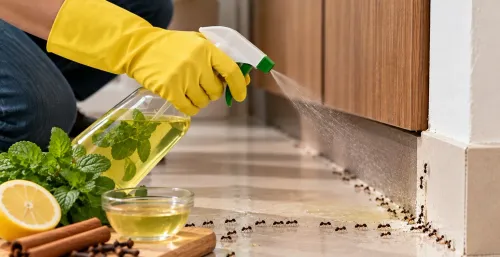
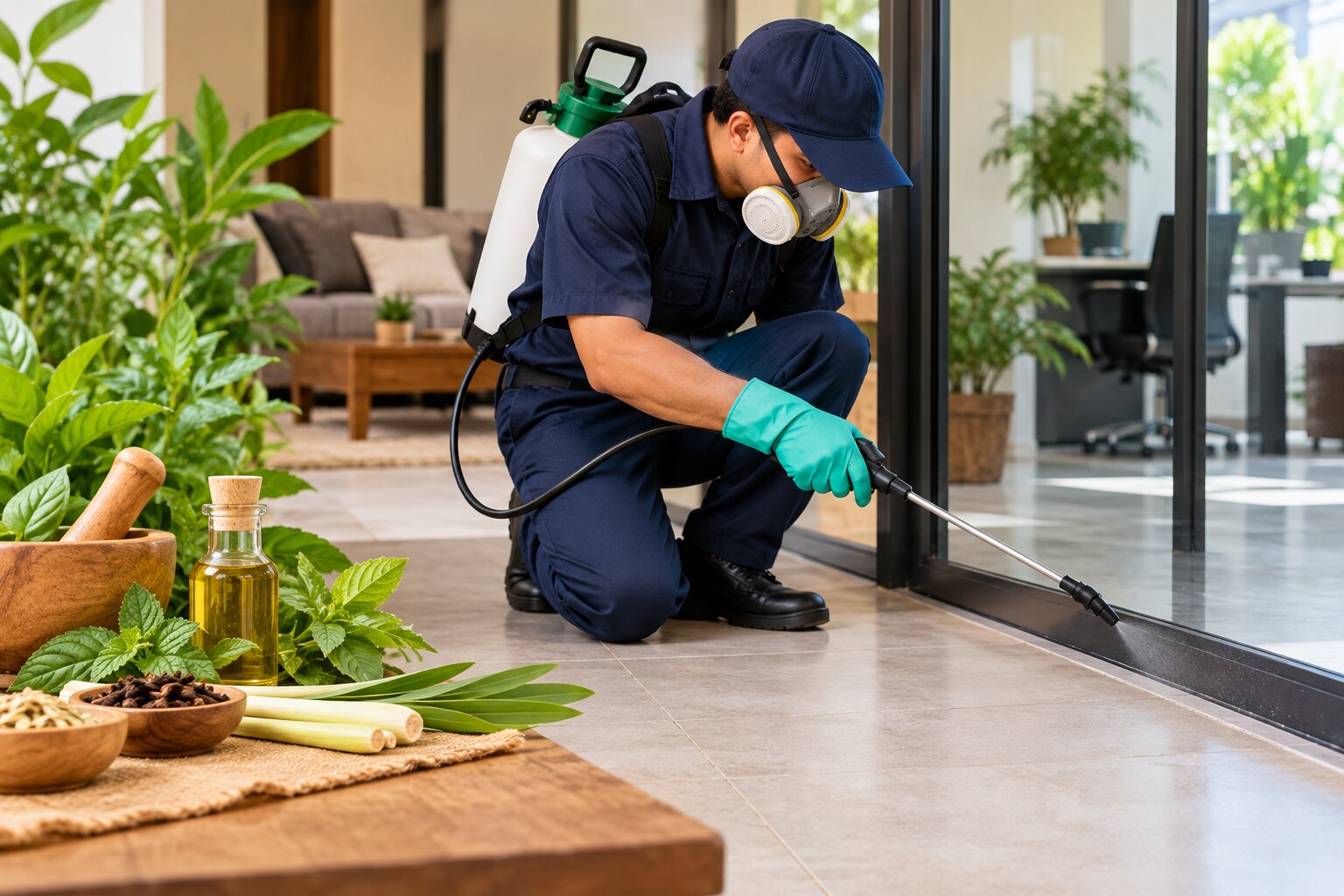
Herbal pest control means using plant-derived active ingredients to repel, deter, or kill pests. A genuinely botanical insecticide names the active compound and its concentration; “natural fragrance” or “herbal blend” alone proves nothing. Essential oils can repel insects without providing reliable kill or residual control.
Before treatment, ask for:
- The product name, manufacturer, active ingredient, concentration, formulation, batch number, and expiry date
- Evidence that the product is registered or labelled for the target pest and intended site in India
- The label’s directions for dilution, application, re-entry, ventilation, food protection, and surface cleaning
- The stated residual period and re-treatment instructions
Read the label carefully. Pyrethrins are plant-derived insecticides, while pyrethroids are synthetic compounds modelled on them; both can appear in products marketed as herbal or natural. Concentrated pyrethrins and pyrethroids can be particularly dangerous to pets, and cats are vulnerable to some pyrethroid exposures.
Keep aquarium fish, birds, children, and pets away according to the label, not the marketing claim.
“Botanical” does not equal safer. Judge the risk by toxicity, dose, exposure route, formulation, and application method. A low-odour product is not automatically less toxic, and a product leaving less residue can still poison someone if misapplied.
Targeted treatment after inspection, sanitation, exclusion, and monitoring is a stronger safety choice than simply replacing a conventional spray with a botanical one.
Why natural origin does not remove exposure risk
A plant-derived spray can irritate skin and airways, trigger allergic or asthma-like reactions, poison pets, and leave residues on surfaces. Herbal pesticide safety depends on the active ingredient, concentration, formulation, dose, and route of exposure—not the word “natural.”
Before treatment, ask for the product name, active ingredient, target pest, application area, batch information, label directions, re-entry time, and ventilation instructions. Do not accept “chemical-free” as a safety assessment.
- Remove children, pregnant people, older adults, pets, birds, and aquarium fish before application. People managing asthma or pesticide exposure concerns should leave until the stated re-entry time has passed and the room has been ventilated.
- Treat cats and pyrethroids as a specific risk. Concentrated pyrethrins or pyrethroids can be especially hazardous to cats; follow the product label and keep cats away until treated surfaces are fully dry and the required interval ends.
- Remove or tightly cover food, utensils, medicines, toys, pet bowls, bedding, and food packaging. In kitchens and businesses, remove or protect food-contact equipment before spraying.
- Prefer enclosed gel baits or bait stations for ants and cockroaches when suitable. Place them away from children, pets, food, and incompatible cleaning chemicals.
- After treatment, ventilate as instructed, prevent contact with wet residues, and clean food-contact surfaces according to the label. Never wash treated areas early if doing so spreads residue into drains or food-preparation zones.
How safer herbal treatment works in practice
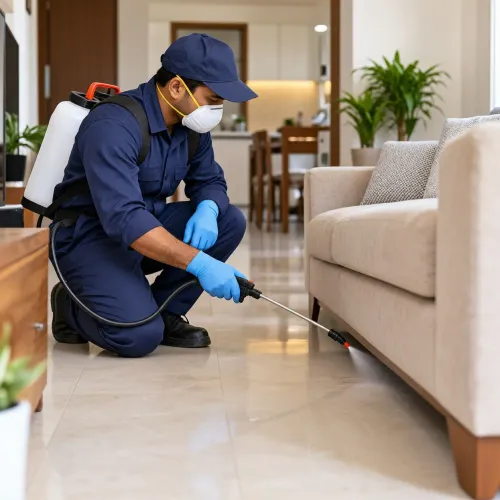
A safer service starts with integrated pest management, not a botanical spray applied everywhere. The technician should identify the pest, find its food, water, nesting and entry points, and explain why the proposed treatment fits the site.
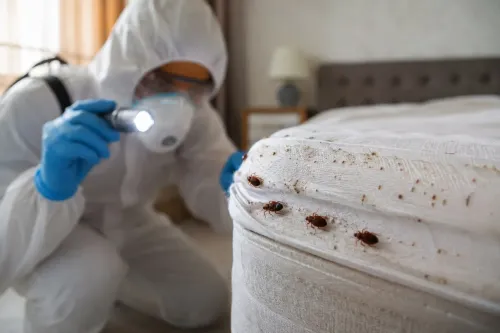
1. Inspect every relevant area, including cracks, plumbing gaps, cupboards, drains, storage rooms, sleeping areas and outdoor entry points. For bed bugs, look at mattress seams, bed frames and nearby harbourages; repellents alone do not eradicate an infestation.
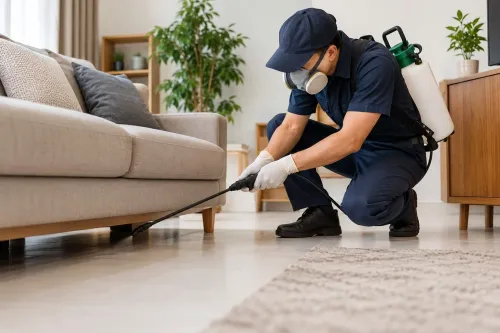
2. Treat only confirmed sources and routes. Use crack-and-crevice treatment for concealed gaps, and consider gel bait and bait stations for cockroaches or ants instead of broadcast spraying. In a food business, remove or cover food, utensils, packaging and food-contact equipment before application.
3. Provide the product name, active ingredient, concentration, batch information, target pest, treated areas and label or registration details. “Herbal” does not prove low toxicity; concentrated pyrethrins or pyrethroids can harm pets, with cats especially vulnerable to some pyrethroids.
4. Document what was found and done: pest evidence, photos or mapped locations, product and quantity, protected surfaces, precautions, re-entry time and ventilation, and instructions for children, pets, aquariums and people with respiratory sensitivities.
5. Arrange a follow-up inspection rather than declaring success after one visit. Bed bugs often require preparation, laundering or heat, harbourage treatment and more than one visit; traps, monitoring cards or scheduled checks should verify whether activity has stopped.
Which pest problems suit botanical control—and which do not
A targeted botanical product is a sensible choice for light indoor infestations when the pest is correctly identified, the product is labelled for that pest and indoor site, and treatment reaches its harbourage.
Herbal treatment for cockroaches and ants works best as small bait placements or spot applications, supported by food storage, cleaning and sealing entry points.
| Problem | When botanical control fits | What it cannot replace |
|---|---|---|
| Cockroaches or ants | Small, localised activity with accessible cracks, cabinets or entry routes | Sanitation, exclusion, monitoring and follow-up |
| Bed bugs | A labelled product used on harbourages within a documented treatment plan | Inspection, laundering or heat, preparation and repeat visits; repellents alone do not reliably eradicate bed bugs |
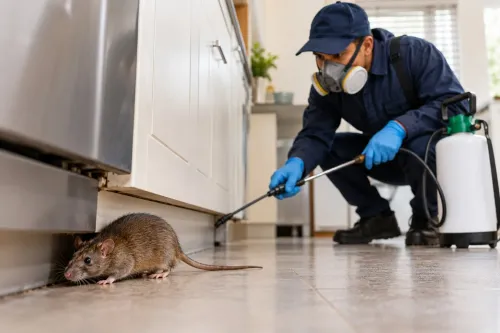
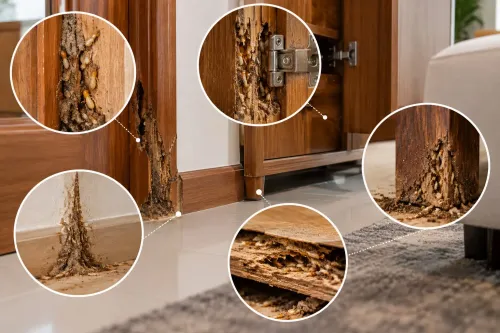
| Termite and rodent control | Limited use of botanical products as one supporting measure | Structural inspection, moisture correction, exclusion, traps or a registered termite treatment |
Stop relying on a herbal spray when insects are appearing across rooms, rodents are nesting, or termites are damaging wood. Volatile oils can evaporate quickly, and increasing spray frequency does not solve poor access, hidden nests or resistance.
Botanical treatment is also incomplete if the provider cannot name the active ingredient, concentration, batch number, label site and re-treatment interval. Ask Doctors Pest Control Service 9820089331 to record those details and explain which non-chemical measures will accompany the application. Natural origin does not remove allergy, poisoning or pet and fish exposure risks.
How to compare a herbal pest-control provider before booking
Book only after the provider supplies verifiable product information and written service terms. “Herbal,” “chemical-free,” and “eco-friendly” do not identify an active ingredient, dose, or exposure risk.
Ask for:
- The product name, pesticide label and batch number, active ingredient concentration, formulation, target pest, and approved application site in India.
- Confirmation of whether it contains pyrethrins, pyrethroids, azadirachtin, neem oil, or essential oils. Neem products are not interchangeable, and concentrated pyrethroids need special caution around cats.
- Written re-entry time, ventilation instructions, surface-cleaning requirements, and precautions for children, pregnant people, pets, birds, aquarium fish, and people with asthma.
- For food-business pest control, instructions for removing or covering food, utensils, packaging, and food-contact equipment, plus records showing where and when the product was applied.
Compare the provider’s promises against the evidence:
| Provider promise | Verify | Reject if |
|---|---|---|
| Low-risk treatment | Label, concentration, exposure controls, and re-entry period | They rely on “natural” as the safety proof |
| Complete pest removal | Inspection findings, target pest, treatment scope, and prevention steps | They promise every pest will disappear after one spray |
| Treatment warranty and follow-up | Warranty period, covered pest, exclusions, revisit date, and follow-up report | “Guaranteed” has no written terms |
| Suitable for your site | Product label allows use in a home, office, restaurant, school, clinic, or warehouse | The technician cannot identify the approved site or application method |
A warehouse or clinic also needs an application record, not just a receipt. Ask who handles complaints, what happens after a failed visit, and which alternative method will be used if the label prohibits treatment.
Frequently asked questions
What does herbal pest control actually contain?
A genuine botanical insecticide names its plant-derived active compound and concentration. “Natural fragrance” or “herbal blend” does not identify an insecticide or prove pest-control performance.
Is herbal pest control automatically safer?
No. Natural ingredients can still irritate skin, affect breathing or harm pets and aquatic life. Follow the product label, remove people and animals during treatment, and observe the stated re-entry time.
Which pest problems suit botanical control?
Botanical products suit targeted, accessible problems when the active ingredient is labelled for that pest and surface. Essential oils can repel insects but may not deliver reliable killing or residual control.
How should you compare a herbal pest-control provider?
Ask for the product name, active ingredient, concentration, label, batch number, licence details, application method, re-entry time and follow-up plan before booking.