Peppermint, clove, cinnamon and neem can interrupt an ant trail, but a strong smell alone rarely removes the nest. You will learn how to identify the insect, choose between a repellent and a bait, apply lower-risk materials safely, and recognise when inspection or professional treatment is the better decision.
Key takeaways
- Identify the ant before choosing a herbal treatment.
- Repellents redirect ants; baits target the colony through feeding workers.
- Seal food sources, cracks and entry points after treatment.
- Use professional help when trails persist or nests remain hidden.
Identify the Ant Before Choosing a Herbal Treatment
A remedy is suitable only after ant identification. Small household ants with a narrow, pinched waist and elbowed antennae usually follow sweet spills, fruit or sugary crumbs. A short-lived herbal repellent may redirect these sugar ants, but it rarely reaches the nest or queen.
| Type | Visible clues | Suitable response |
|---|---|---|
| Sugar ants | Small bodies; one pinched waist; elbowed antennae; trails to sweet food | Clean the trail, remove food, then consider a labelled bait or mild repellent |
| Carpenter ants | Larger ants; pinched waist; elbowed antennae; sawdust-like frass, galleries or damp wood damage | Arrange inspection; surface repellent will not repair or eliminate a nest in structural wood |
| Fire ants | Reddish-brown workers; soil mound; painful bites followed by stinging; aggressive defence when disturbed | Keep children and pets away; do not spray around the mound without species-specific treatment advice |
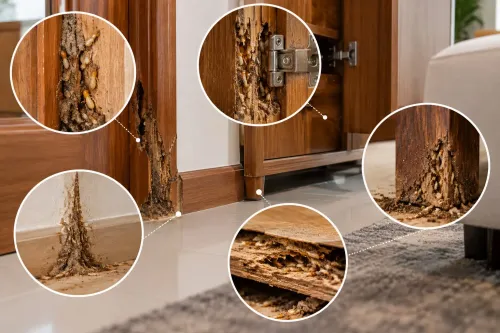
| Termites | Pale, soft-bodied insects; straight antennae; broad waist; mud tubes, hollow wood or discarded wings | Treat as a termite issue, not an ant issue; arrange a structural inspection |
The key distinction in fire ants versus termites is the response: fire ants defend a visible soil nest, while termites can remain hidden inside walls, floors or roof timbers. Termites are not ants, so a surface herbal repellent is inappropriate for suspected termites, structural wood damage or a fire-ant nest.
Identify the insect before choosing a repellent, bait or professional inspection.
Which Herbal Materials Repel Ants and Which Can Kill Them?
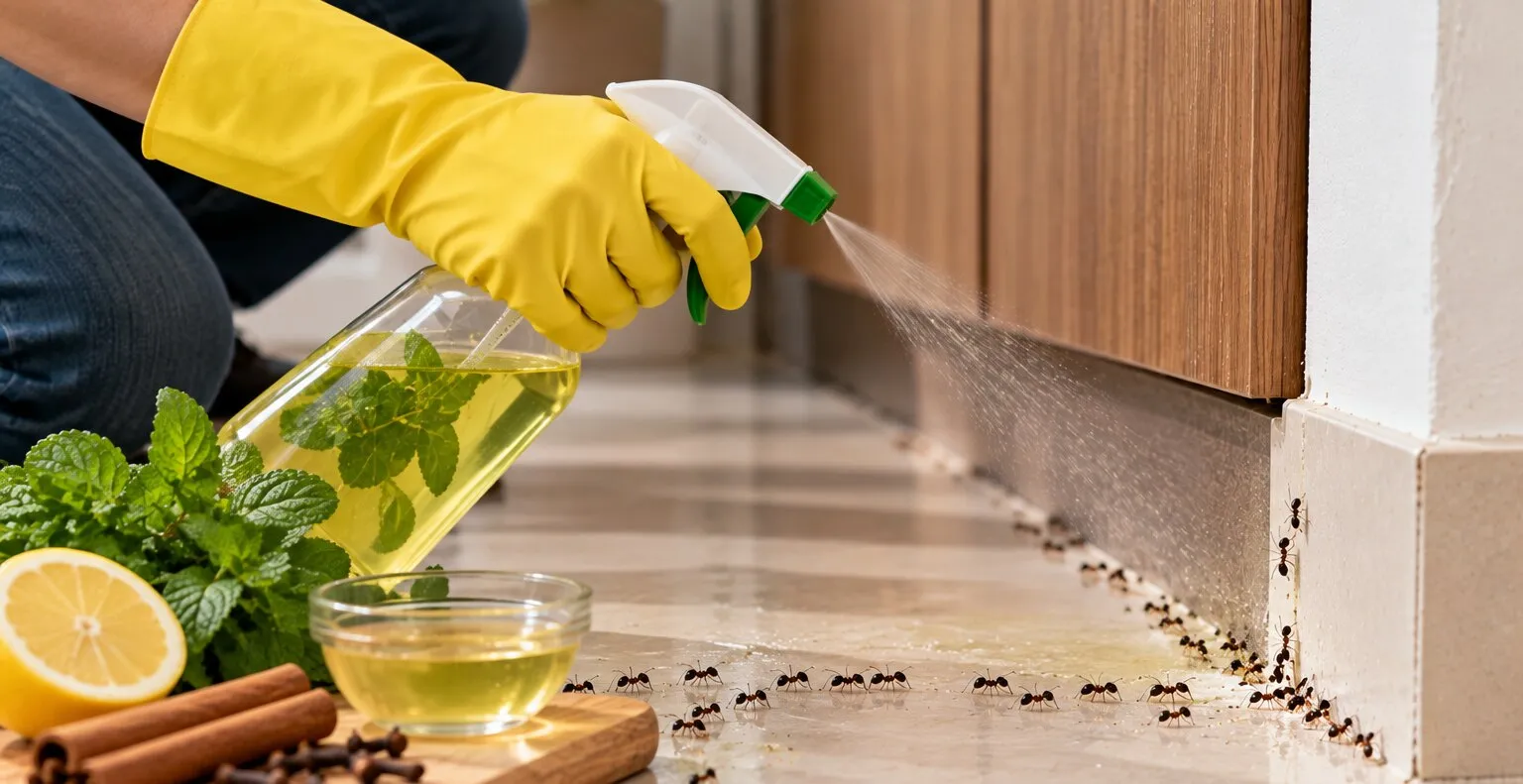
Peppermint oil for ants, clove oil, cinnamon, eucalyptus, lemongrass and neem for ants100 usually disrupt trails rather than kill colonies. They make workers turn away or change route; strong extracts rarely reach the queen and brood. The phrase neem for ants100 does not make an oil safe or colony-killing.
| Material | Expected result | Safer application boundary |
|---|---|---|
| Peppermint, clove, cinnamon, eucalyptus, lemongrass or neem | Short-lived repellent; workers may reappear elsewhere | Do not improvise concentrated oil mixtures. Keep oils away from children, pets, aquaria, skin, eyes and airways. |
| Soapy water | Removes pheromone trails, but does not kill the nest | Wipe hard-surface trails and food residue, then dry the area. |
| Vinegar and water | Cleans and disrupts trails | Use a 1:1 wipe only on compatible, non-stone surfaces after a spot test; vinegar can etch marble and other stone. |
| Food-grade diatomaceous earth | Kills ants that contact the dry powder by desiccation | Place a thin, dry layer inside inaccessible cracks. Do not create airborne piles or apply where children, pets or food can contact it. |
| Boric-acid ant bait | Can kill workers and the colony when workers eat it and carry it back | Use only a registered product according to its Indian label; never place loose boric acid near food. |
Clean food-contact surfaces with products approved for that use. Keep baits away from repellents, because workers may avoid contaminated bait. A bait succeeds only when the colony accepts it; visible activity can continue while workers distribute it.
Use Repellents, Baits and Exclusion in the Right Order
An integrated pest management plan works better than choosing an herbal ant bait versus repellent. Remove what attracts ants, block access, then use bait where workers can carry it to the colony.
1. Seal food in containers, remove spills promptly, close rubbish bins, and lift pet-food bowls after feeding. Accessible crumbs and sweet residues reduce the chance that workers will accept bait.
2. Repair leaking taps and pipes, empty plant saucers, and improve moisture control for ants by drying damp cupboards, walls and floors. Water can sustain activity even after food is removed.
3. Perform ant trail cleaning with soapy water on hard surfaces to remove the pheromone route. A 1:1 vinegar-water wipe suits compatible, non-stone surfaces after a spot test. Do not spray a repellent around an active bait station; its odour can make workers avoid the bait.
4. Treat bait choice as a test. Offer a labelled sugary liquid bait; if activity indicates interest in another food source, test a labelled protein or fatty bait as well. Never mix peppermint, clove, neem or another repellent into either bait.
5. Monitor the same areas daily. Visible workers can remain active or briefly increase while bait is distributed through the colony.
A recurring trail does not immediately prove the herbal method failed. It points to an untreated food source, access route or nest; reseal the route, repeat sanitation and reassess bait acceptance before changing products.
Check Safety Claims Before Applying Any Natural Ant Product
1. Treat “natural,” “herbal,” “chemical-free” and “safe” as marketing claims, not proof of indoor suitability. Read the full indoor pest-control product label and check the complete ingredient list, active ingredient concentration, indoor-use directions, permitted application site, registration or licence details where applicable, hazard statements, first-aid instructions and disposal directions.
2. Separate food-safe ingredients from safe exposure. Food-grade diatomaceous earth is not the same as inhalation-safe dust: keep all dust out of the air and away from children, pets and people with asthma.
Boric acid remains toxic if swallowed, so follow boric acid ant bait safety instructions and never use loose powder where a child or pet can reach it.
3. Check the label against your household before applying. Protect aquaria, cover or remove food, wear the specified gloves, ventilate the room, wash your hands afterwards and avoid skin or eye contact.
Essential oils can irritate airways and harm pets if licked or absorbed; essential oil safety for pets means preventing contact, not merely choosing a plant-based product.
4. Test a small hidden surface first and never spray near food-contact surfaces unless the label permits it. Keep children and pets away from treated areas until dry when the label requires that restriction. Seal contaminated wipes, used bait trays and unused mixtures before disposal, following the label and local waste instructions.
These steps are the minimum for natural ant treatment safety.
When Home Herbal Treatment Is Not Enough
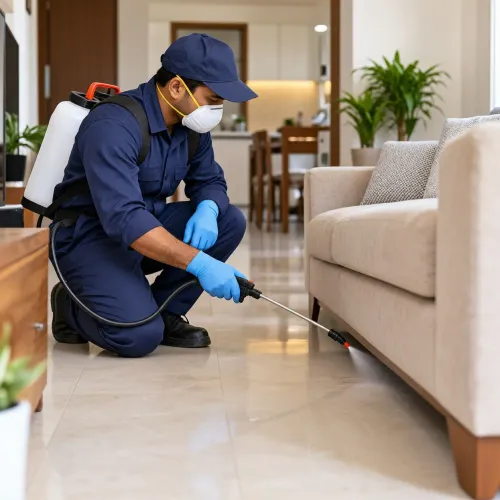
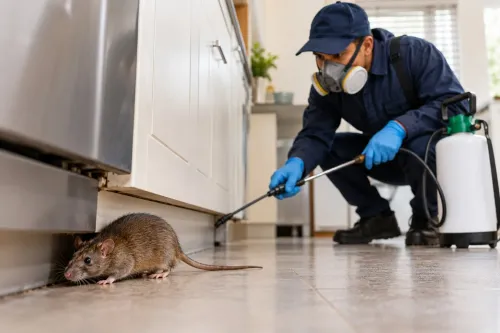
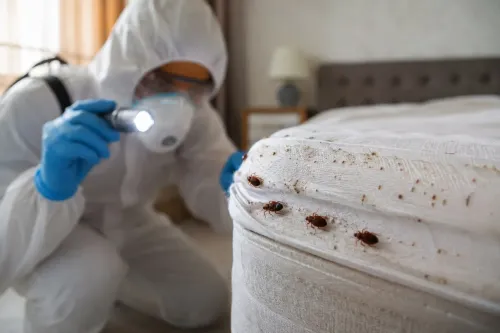
Stop switching herbal remedies when trails return after cleaning, appear in several rooms, or persist after monitored baiting. Arrange a professional ant inspection for wall or roof void activity, suspected carpenter ants, termites, fire ants, damp-related recurrence, or repeated entry through plumbing, windows, cracks, or conduits.
| Option | Trade-off | Best use |
|---|---|---|
| Exclusion and sanitation | Takes time, but removes food, water and access | Seal gaps, fix leaks and clean trails |
| Herbal repellents | Low persistence; sunlight, rain, humidity and washing shorten protection | Temporary trail disruption, not colony removal |
| Commercial baits | Can reduce a colony, but needs correct species acceptance and careful placement | Monitored indoor activity |
| Residual insecticides | Last longer, but require label-led exposure controls | Targeted treatment after inspection |
Judge success by declining activity over several follow-ups, no renewed access to food or water, and no fresh trails—not by disappearance for a few hours. A residual insecticide comparison should include exposure controls, not just longevity. A provider should document:
- Species identification and nest or entry-area findings
- Products, active ingredients, indoor-use directions and preparation steps
- Re-entry time, child and pet precautions, follow-up schedule and disposal instructions
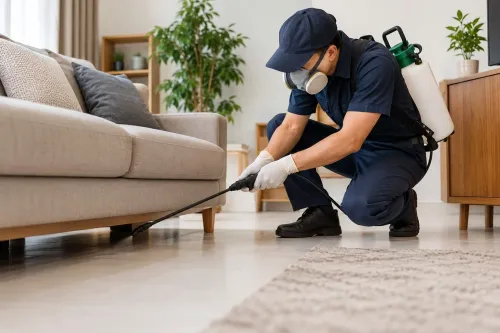
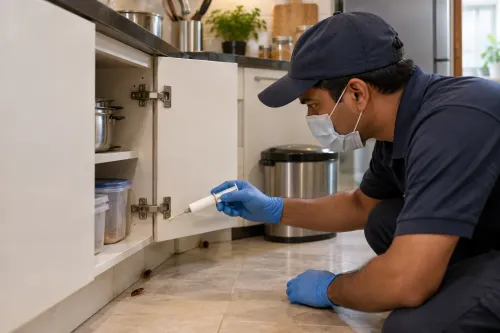
In Thane, Doctors Pest Control Service 9820089331 can be considered when a professional ant inspection, targeted baiting, disinfestation service Thane, or coordinated moisture-and-exclusion plan is more suitable than repeated household spraying.
Related product
TERMITE CONTROL TREATMENT ₹10000 White ants or termites are one of the most dangerous wood destroying organisms. Termites are social insects. View product → |
Frequently asked questions
Why should you identify the ant before choosing a herbal treatment?
Different ants respond to different food sources and treatment methods. Small household ants with narrow waists and elbowed antennae often follow sweet spills, fruit and sugary crumbs.
Can herbal materials kill an entire ant colony?
Herbal repellents usually redirect worker ants rather than reaching the nest or queen. A bait can work better when workers carry it back to the colony.
What order should you use for ant control at home?
Remove food and water sources, use a suitable repellent or bait, then seal cracks and other entry points. Exclusion helps prevent the trail from returning.
When is home herbal treatment not enough?
Contact a pest control professional when ant trails continue after cleaning and exclusion, the nest is inaccessible, or the infestation affects a workplace or larger property.