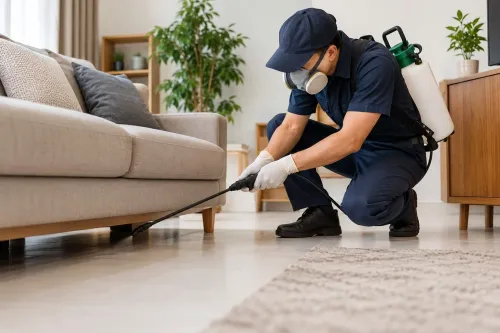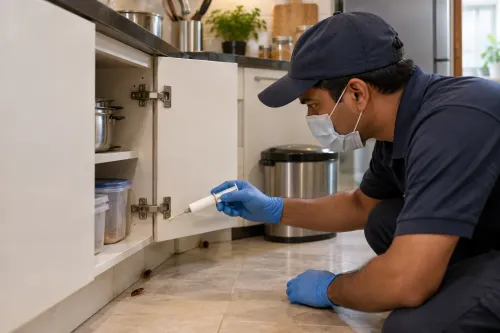
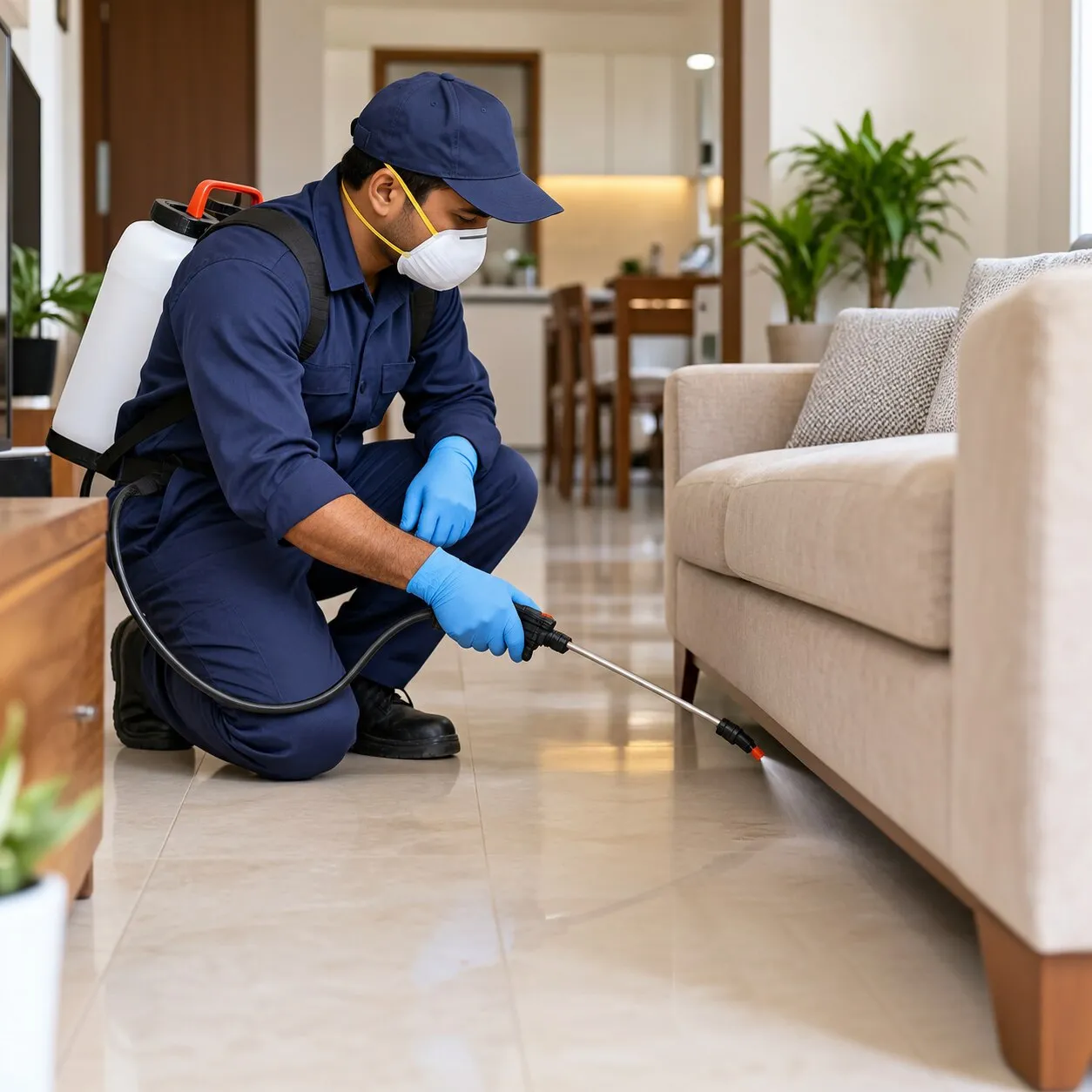
A low price can conceal an unidentified chemical, a one-visit promise, or a treatment that ignores the source of the infestation. By asking for licences, product records, an inspection-based scope, written safety instructions, and measurable follow-up terms, you can compare providers on results rather than reassurance.
Key takeaways
- Ask for a current pest control licence copy and responsible technical person’s identity.
- Demand a written inspection report naming pests, evidence, treatment areas, and exclusions.
- Confirm whether the price covers one visit or a defined treatment programme.
- Get re-entry times, preparation steps, follow-up records, and warranty terms in writing.
Is the company authorised, insured, and qualified to do this work?
A GST registration or general trade licence does not authorise commercial insecticide application. Ask for the provider’s current pest control licence India documentation and the name and identity of its responsible technically qualified person.
1. Ask whether every technician is trained for the proposed method: chemical application, bait stations, fogging, termite drilling, or structural fumigation. Request pest control insurance, either public-liability or professional-indemnity cover, and ask who pays if treatment damages a finish, appliance, mattress, clothing, or furniture.
For a flat, shop, or office, confirm permission from the building owner or housing society and check rules for chemical use, drilling, waste removal, and common-area access.
2. Before treatment, request the product name, active ingredient, formulation, concentration, intended use, batch number, expiry date, and label directions. Confirm how the provider meets insecticide registration India requirements: insecticides sold or used in India must be registered before manufacture, import, or sale. Reject an unlabelled bottle, decanted liquid, or unnamed “strong chemical.”
3. For commercial premises, require a service report showing the date, areas inspected and treated, pest evidence, products and quantities used, corrective actions, photographs where relevant, technician identity, and next monitoring date. A generic completion certificate proves little.
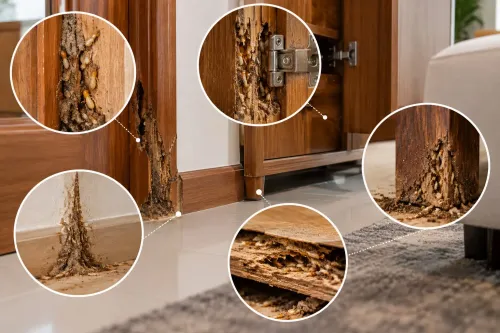
For termite work or claimed fumigation, ask whether the method is soil treatment, wood treatment, baiting, drilling, trenching, slab injection, or true sealed-space fumigation with evacuation and clearance confirmation.
What will the inspection and written treatment scope actually identify?
An inspection should happen before the quote, and the written scope should identify the pest, evidence, treatment zones, and likely cause—not merely say “whole premises.” Use this pest inspection checklist:
1. Ask whether the technician will inspect the affected and adjoining rooms, service ducts, plumbing shafts, garbage areas, food-storage rooms, roof spaces, drains, neighbouring units, and common areas. Treating one room can fail when pests travel through shared walls or shafts.
2. Require the report to record droppings, cast skins, live insects, mud tubes, gnaw marks, nests, pest harbourage sites, entry points, and the suspected cause. Ask what will be checked behind appliances, under sinks, inside cabinets, around pipe penetrations, beneath doors, and inside wall or ceiling voids.
3. For mosquitoes, demand a mosquito breeding source inspection covering tanks, drains, plant trays, roof areas, and construction debris. Fogging knocks down exposed adults; it does not remove larvae in stagnant water or stop later emergence.
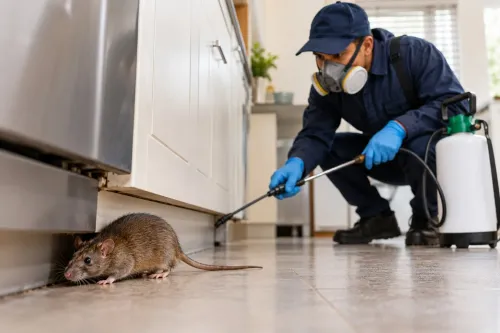
4. For rodents, ask whether the technician will locate droppings and harbourage, identify rodent entry points such as door gaps, damaged screens, and service penetrations, and inspect shared shafts or adjacent units. Confirm whether access to those sources is included or expressly excluded from the quote.
Is the price for one visit, or for a defined treatment programme?
A low price per visit can exceed a programme price once follow-ups are added. Ask whether the charge covers one visit, one room, each square metre, each bait station, or the complete pest treatment programme.
| Pricing basis | What it covers | What to verify |
|---|---|---|
| Per visit | One scheduled application | Follow-up interval and number of visits |
| Per room or square metre | A defined treatment area | Included rooms, adjoining areas, and minimum charge |
| Per bait station | Each installed or monitored station | Installation, refilling, removal, and monitoring visits |
| Complete programme | The stated treatment plan | End point, warranty, exclusions, and extra-call-out rates |
Use this pest control quote comparison only after checking the treatment area, visit count, interval, inspection fee, follow-up fee, emergency call-out charge, travel charge, taxes, cancellation terms, and preparation duties.
The written plan must distinguish residual spraying, crack-and-crevice treatment, gel baiting, ULV misting, thermal fogging, rodent baiting, termite soil treatment, wood treatment, baiting, and structural fumigation. Fogging will not treat cockroach harbourages, termite routes, or bed bugs.
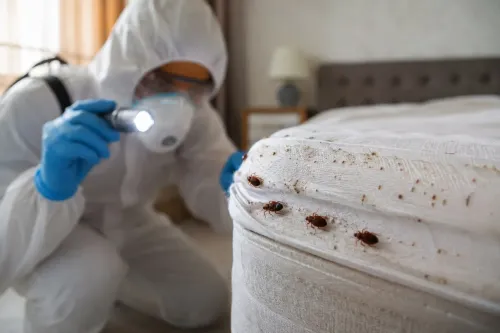
Ask when results should appear and what evidence ends the programme. Bed bug work needs preparation and a bed bug follow-up treatment or inspection because eggs and hidden insects can survive the first application.
For termite warranty conditions, require the duration, inspection duties, retreatment triggers, and exclusions. It normally excludes structural damage, plumbing leaks, poor drainage, and pre-existing repairs. Ask the quote to list exclusions:
- Crack sealing, clutter removal, sanitation, drilling, patching, proofing, and disposal of infested items.
What must you prepare, protect, and verify before re-entry?
Before booking, request a written pest control preparation checklist. It must say whether you must remove food, cover or wash utensils, empty cupboards, move furniture, wash bedding, bag clothing, discard infested items, clear standing water, and provide access behind appliances.
1. Ask how the technician will protect food, drinking-water containers, aquariums, birds, pets, mattresses, clothing, electrical equipment, polished surfaces, and sensitive materials. Get specific aquarium protection during pest control instructions; “odourless,” “herbal,” “natural,” and “low-odour” do not define exposure risk.
2. Ask for the product label, active ingredient, formulation, application rate, application record, batch number, expiry date, intended use, evacuation period, and pesticide re-entry time. The label, treated surface, ventilation, and room conditions determine when people can return; no universal interval applies.
3. Obtain separate instructions for children, pregnant people, older adults, people with asthma, pets, and aquarium occupants. Ask who decides the area is ready, how long pest treatment ventilation must continue, whether fans or open windows are required, and what to do if anyone develops symptoms.
4. Confirm who pays for damage caused by moving items or applying the product. Reject “safe” as a verbal assurance and request an emergency contact before treatment begins.
What method, follow-up record, and warranty fit your pest problem?
The right method depends on the pest, its harbourage, and the route sustaining it—not simply on the chemical being sprayed. Ask these questions before signing:
1. Does your cockroach gel bait treatment combine inspection, sanitation advice, crack-and-crevice treatment, and targeted gel bait? Spraying liquid insecticide over or beside bait can contaminate it and reduce feeding. Untreated drains, appliance voids, and neighbouring units can then sustain reinfestation.
2. For rodents, does the plan include traps or labelled bait stations, monitoring, carcass removal, and rodent proofing and bait stations rather than bait alone? Ask whether the technician will seal service penetrations, door gaps, and damaged screens, and who monitors or removes stations and carcasses.
3. For termites, is the proposed work termite soil treatment, wood treatment, baiting, or a combination? Ask whether drilling, trenching, or slab injection is required. A warranty should state its duration, inspection schedule, retreatment conditions, and exclusions for structural damage, plumbing leaks, poor drainage, and pre-existing repairs.
4. What do you mean by fumigation? True structural fumigation requirements include a sealed space, evacuation of people and animals, controlled fumigant concentration, and clearance confirmation before re-entry. Smoke, aerosol, or fogging is not equivalent.
For a commercial site, require a report listing the date, treated areas, evidence, products and quantities, corrective actions, photographs where relevant, technician identity, and next monitoring date. A generic completion certificate is not enough.
Doctors Pest Control Service 9820089331 should answer the same questions, with the written scope, preparation sheet, visit schedule, product details, and warranty terms provided before agreement.
Frequently asked questions
What authorisation should a pest control company show?
Ask for current pest control licence documentation, including a Form 20B licence copy where applicable, and the name and identity of the responsible technically qualified person. GST registration or a general trade licence alone does not authorise commercial insecticide application.
What should a pest inspection and written treatment scope identify?
The scope should name the pest, show evidence such as droppings, nests, live activity, or damage, list treatment areas, state the products or methods proposed, and record exclusions and access limitations.
How can I tell whether the quoted price is complete?
Ask whether the quote covers one visit, a fixed number of visits, or a defined treatment programme. Confirm follow-up visits, monitoring, materials, taxes, access requirements, and cancellation terms before approving the work.
What must I do before treatment and before re-entry?
Get written instructions for food, utensils, medicines, pets, children, aquariums, ventilation, and room access. Confirm the product-specific re-entry time and verify that treated areas are dry and safe before returning.
What follow-up records and warranty terms should I request?
Request a service report recording the date, pest findings, treated locations, products or methods used, technician, observations, and next steps. Ensure the warranty states its duration, covered pest, customer obligations, exclusions, and response process.