

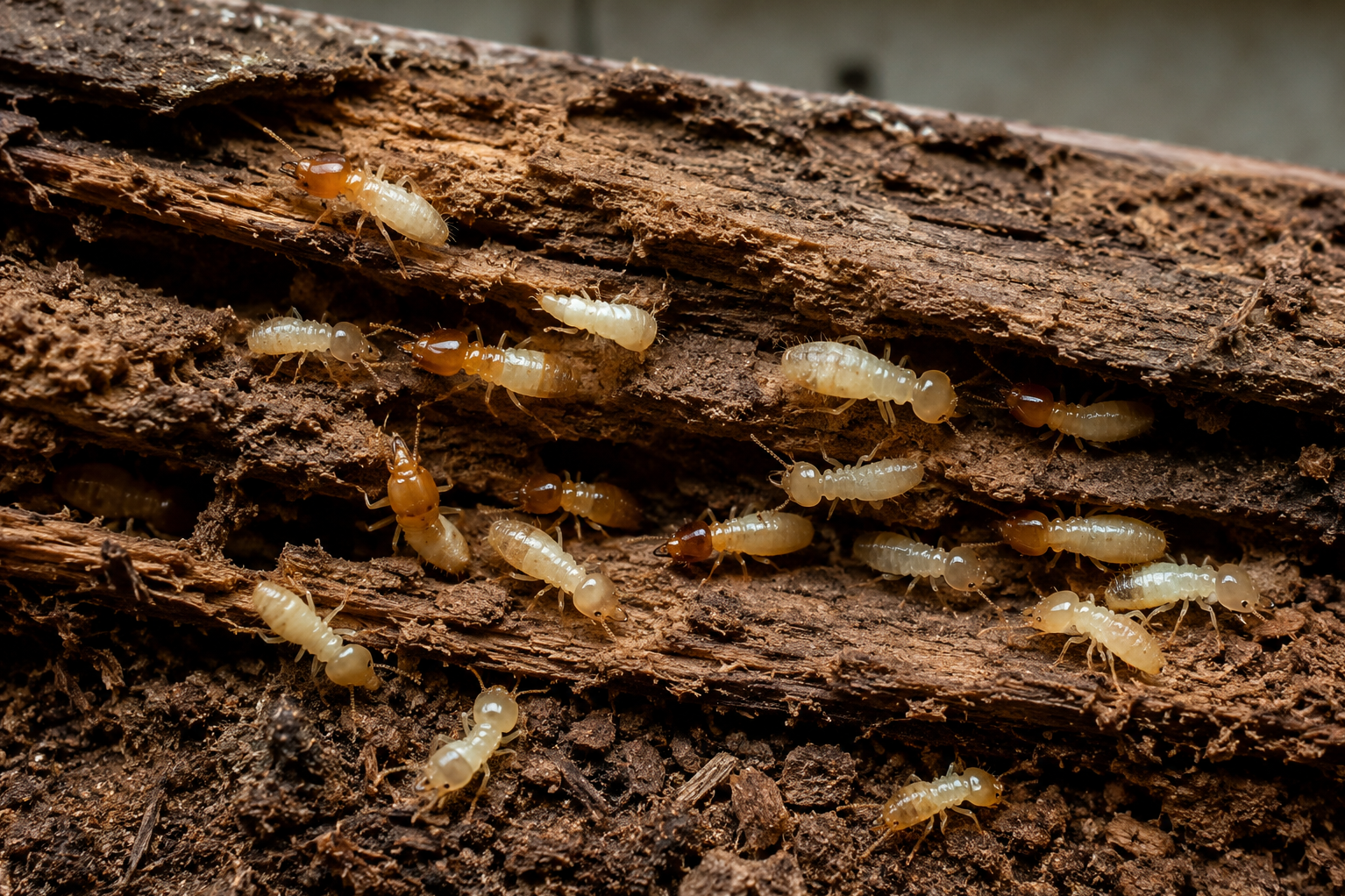
Termites are among the most destructive pests because they often remain hidden until significant structural damage has already occurred. Unlike insects that are easily spotted, termites work silently inside wooden structures, walls, flooring, and furniture for months or even years.
Understanding the early warning signs can help homeowners, apartment residents, and commercial property owners take action before repairs become expensive. Properties in areas such as Panch Pakhadi Thane, where residential and commercial buildings coexist, benefit from regular inspections to identify termite activity before major structural damage develops.
Hollow Sounding Wooden Structures
Healthy wood feels solid and produces a firm sound when tapped.
If doors, furniture, cupboards, or wooden flooring begin sounding hollow, termites may have consumed the internal wood while leaving the outer surface almost untouched.
This hidden damage often remains unnoticed until the structure weakens significantly.
Mud Tubes Along Walls
Subterranean termites build narrow mud tunnels to travel safely between their colonies and food sources.
These tubes are commonly found on:
- Foundation walls
- Pillars
- Exterior walls
- Basement areas
- Wooden beams
Fresh mud tubes usually indicate active termite movement and should never be ignored.
Doors and Windows Becoming Difficult to Close
Many homeowners assume sticking doors or tight window frames result from seasonal humidity.
However, termite damage can also cause wooden frames to warp, making doors and windows harder to open or close smoothly.
If the problem appears alongside other warning signs, a professional inspection becomes advisable.
Fine Wood Dust Around Furniture
Small piles of powder or wood-colored dust beneath furniture may indicate termite activity.
This material often appears near:
- Wooden cupboards
- Tables
- Bed frames
- Door frames
- Storage cabinets
Regular cleaning helps identify whether the dust keeps returning.
Cracked Paint or Bubbling Surfaces
Termites can create moisture pockets beneath paint or wallpaper.
You may notice:
- Bubbling paint
- Uneven wall surfaces
- Peeling wallpaper
- Hairline cracks
Although moisture problems can produce similar symptoms, termite inspections help rule out hidden infestations.
Discarded Wings Near Windows
Flying termites leave behind transparent wings after establishing new colonies.
Finding numerous identical wings near:
- Windows
- Balconies
- Entrance doors
- Indoor lighting
may indicate that termites have already settled nearby.
Weak or Damaged Flooring
Wooden flooring may begin to:
- Sag
- Feel soft
- Produce unusual sounds
- Develop uneven surfaces
Ignoring these symptoms allows termites to continue damaging the supporting structure beneath.
Why Early Detection Matters
Termites reproduce continuously and remain hidden inside walls, furniture, and foundations.
Delaying treatment can lead to:
- Expensive structural repairs
- Replacement of wooden furniture
- Reduced property value
- Safety concerns in severe cases
Early intervention usually minimizes both repair costs and treatment complexity.
Preventing Future Infestations
Several practical measures help reduce termite risk.
These include:
- Repair leaking pipes promptly.
- Avoid prolonged moisture around foundations.
- Store wooden materials away from damp areas.
- Inspect furniture regularly.
- Keep gardens from touching exterior walls.
- Schedule periodic termite inspections.
Preventive maintenance is often more cost-effective than repairing extensive termite damage later.
Choosing Professional Inspection
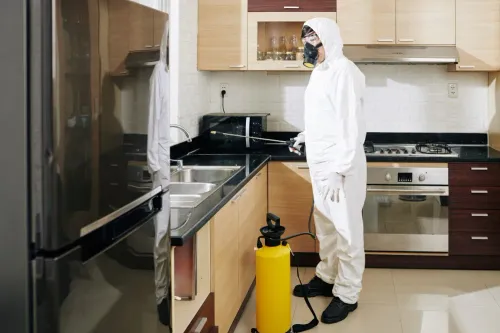
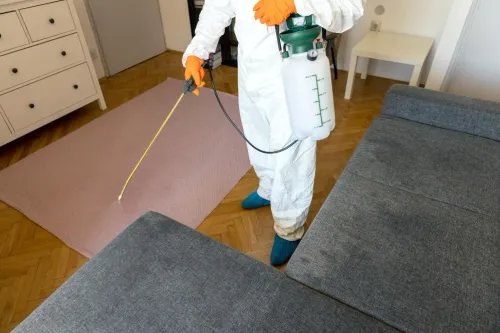
Termites frequently remain invisible without specialized inspection methods. Professional technicians evaluate vulnerable areas, identify hidden colonies, and recommend treatment based on the level of infestation rather than relying on surface-level observations.
Property owners looking for dependable termite management often consult Doctors Pest Control Service for inspections and customized treatment solutions.
Early recognition of termite activity helps preserve both the safety and value of a building. Regular inspections, preventive maintenance, and timely treatment provide the best defense against one of the most damaging household pests.