
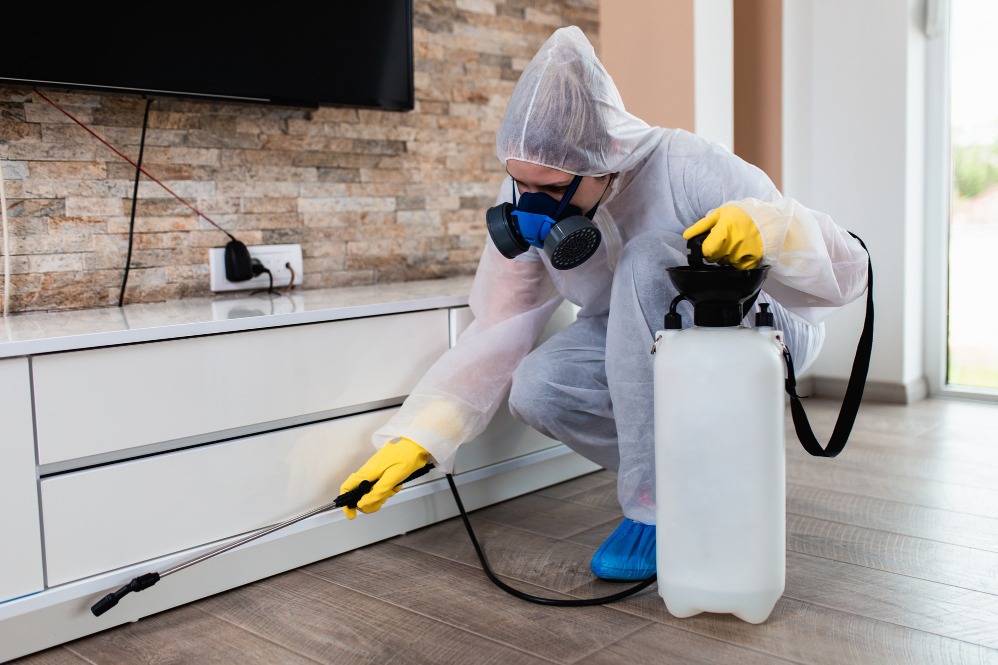
Every home occasionally experiences insects or rodents, but not every pest should be treated as a minor inconvenience. Some species damage property, contaminate food, spread harmful bacteria, or reproduce quickly enough to create major infestations within a short period.
Recognizing the most common household pests and understanding the risks they pose allows homeowners to take timely action before small problems become expensive repairs. This is particularly important for residential properties around Vartak Nagar Thane, where changing weather conditions and urban development can encourage year-round pest activity.
Cockroaches
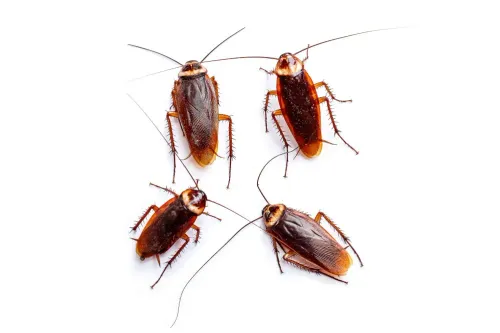
Cockroaches are one of the most frequently reported household pests.
They commonly hide in:
- Kitchens
- Bathrooms
- Drainage areas
- Storage cabinets
- Electrical appliances
Besides contaminating food preparation surfaces, cockroaches can trigger allergies and asthma symptoms in sensitive individuals.
Termites
Termites often remain hidden until they have already caused extensive damage.
They attack:
- Wooden furniture
- Doors
- Window frames
- Flooring
- Structural timber
Because termite activity usually occurs inside wood, regular inspections are essential for early detection.
Rats and Mice
Rodents create more than just a nuisance.
They can:
- Damage electrical wiring
- Chew furniture
- Contaminate stored food
- Spread bacteria
- Nest inside walls and ceilings
Early intervention prevents rapid population growth and reduces property damage.
Ants
Although many ant species appear harmless, large colonies can become difficult to control.
Ants frequently invade homes in search of:
- Sugar
- Water
- Pet food
- Grease
- Crumbs
Persistent ant trails often indicate nearby nesting sites that require professional attention.
Bed Bugs
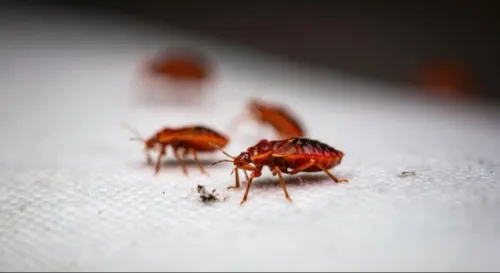
Bed bugs hide close to sleeping areas and feed during the night.
Typical signs include:
- Itchy bite marks
- Small blood stains on bedding
- Dark spots on mattresses
- Shed insect skins
Ignoring bed bugs allows infestations to spread to additional rooms and furniture.
Mosquitoes
Mosquitoes are more than an outdoor annoyance.
Standing water around homes encourages breeding, increasing the risk of mosquito-borne illnesses and reducing outdoor comfort.
Regular inspection of water storage containers, drains, and gardens helps minimize mosquito populations.
Lizards
Although lizards are generally harmless, their repeated presence often signals an underlying insect problem.
If lizards appear frequently indoors, it is worth investigating whether cockroaches, flies, or other insects are attracting them.
Spiders
Most household spiders are harmless and even feed on insects.
However, excessive spider webs may indicate a growing insect population inside the property.
Removing webs without addressing insect activity usually provides only temporary improvement.
Why Early Action Matters
Small pest problems rarely remain small.
Ignoring early signs can result in:
- Higher treatment costs
- Structural damage
- Food contamination
- Health concerns
- Larger infestations
- Greater disruption to daily life
Routine inspections help identify issues before they become difficult to manage.
Preventive Measures Every Homeowner Should Follow
Good household maintenance significantly reduces pest activity.
Recommended practices include:
- Keep kitchens clean.
- Store food securely.
- Repair water leaks promptly.
- Seal cracks and entry points.
- Dispose of waste regularly.
- Reduce unnecessary clutter.
- Schedule periodic pest inspections.
Combining these habits with professional monitoring creates a more effective long-term pest prevention strategy.
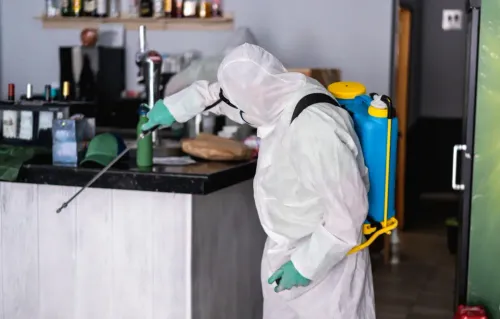
Many homeowners rely on Doctors Pest Control Service for inspections and customized pest management solutions based on the specific needs of residential properties.
Protecting a home begins with recognizing the early warning signs. Prompt action against common household pests helps preserve property, improve hygiene, and maintain a healthier living environment throughout the year.