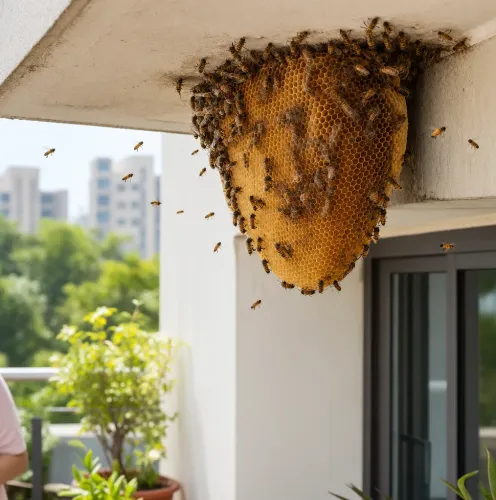


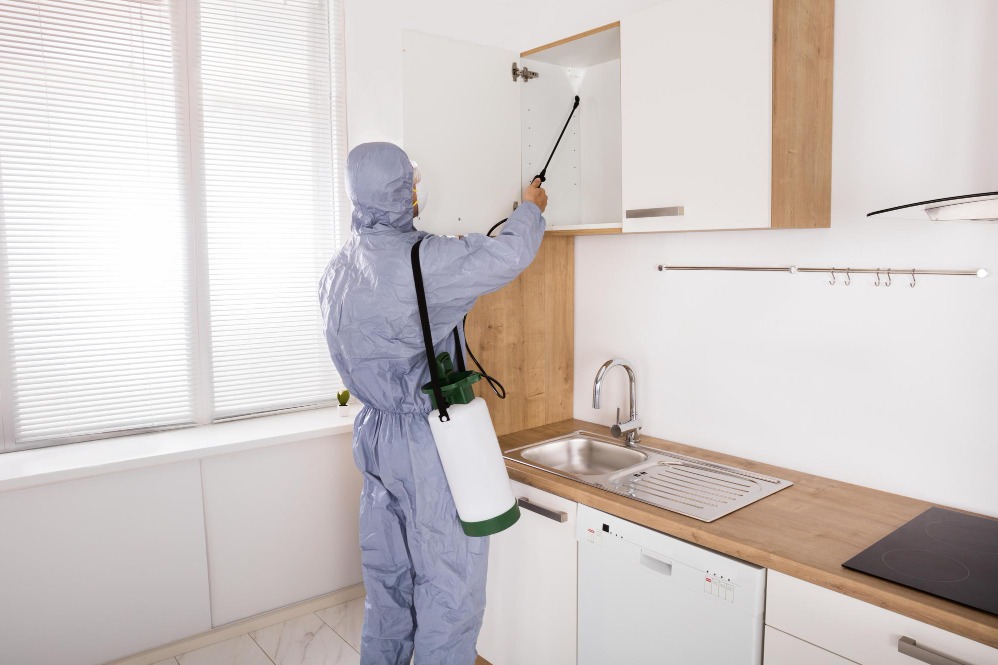
Many people arrange pest control only after cockroaches become highly visible, rodents begin damaging materials, or termites have already affected wooden fixtures. Reactive treatment is sometimes unavoidable, but waiting for a serious infestation can make pest management more complicated.
Understanding why preventive pest control saves time and money helps homeowners, residential societies, property managers, and businesses evaluate pest management as routine property maintenance rather than only an emergency response.
This approach can be particularly useful for properties around Dhokali Naka, Thane, Maharashtra, where residential and commercial spaces may face different pest pressures throughout the year.
Prevention Can Identify Problems Earlier
A small pest problem is usually easier to investigate than an established infestation spread across several areas.
Periodic inspection can reveal warning signs such as droppings, termite activity, gnaw marks, recurring ant trails, cockroach harbourages, or pest entry gaps.
Early identification gives property owners more time to correct contributing conditions.
Pest Damage Can Cost More Than Prevention
Some pests create expenses beyond the cost of treatment.
Termites can affect wooden fixtures and furniture. Rodents may damage packaging, stored goods, insulation, or wiring. Cockroach infestations in food-related businesses can create hygiene concerns and require extensive cleaning.
Preventive maintenance cannot guarantee that pests will never appear, but it can reduce the likelihood that unnoticed activity develops into a larger problem.
Businesses Can Reduce Operational Disruption
For restaurants, offices, warehouses, retail premises, and industrial properties, dealing with an infestation during operating hours can be disruptive.
A planned pest-management schedule makes it easier to coordinate inspections and suitable treatments around business operations.
It also allows recurring pest activity to be documented and compared over time.
Prevention Is More Than Scheduled Treatment
Effective preventive pest management should not mean automatically applying the same product every month.
A better approach includes:
- Inspecting vulnerable areas
- Identifying pest activity
- Monitoring recurring problems
- Improving sanitation where needed
- Reducing food and water sources
- Identifying structural entry points
- Applying appropriate treatments when justified
This creates a more targeted program.
Which Properties Benefit Most
Preventive pest control can be particularly relevant for restaurants, food-storage environments, residential societies, warehouses, commercial kitchens, older buildings, properties with previous termite activity, and facilities receiving frequent goods deliveries.
Individual homes may also benefit when they experience seasonal or recurring pest problems.
Evaluate Value Rather Than Only Treatment Price
When comparing pest-control options, the lowest immediate price does not necessarily represent the lowest long-term cost.
Property owners should consider what is included in inspection, treatment, monitoring, follow-up, and preventive recommendations.
Doctors Pest Control Service works with homes and commercial properties in Dhokali Naka and across Thane. A preventive plan should be based on the property's pest history and risk areas rather than unnecessary treatments.
Preventive pest management is ultimately about detecting vulnerabilities before they become expensive problems. Regular inspection, good sanitation, maintenance, exclusion measures, and targeted professional treatment can reduce repeated emergency interventions and help protect the property over the longer term.