
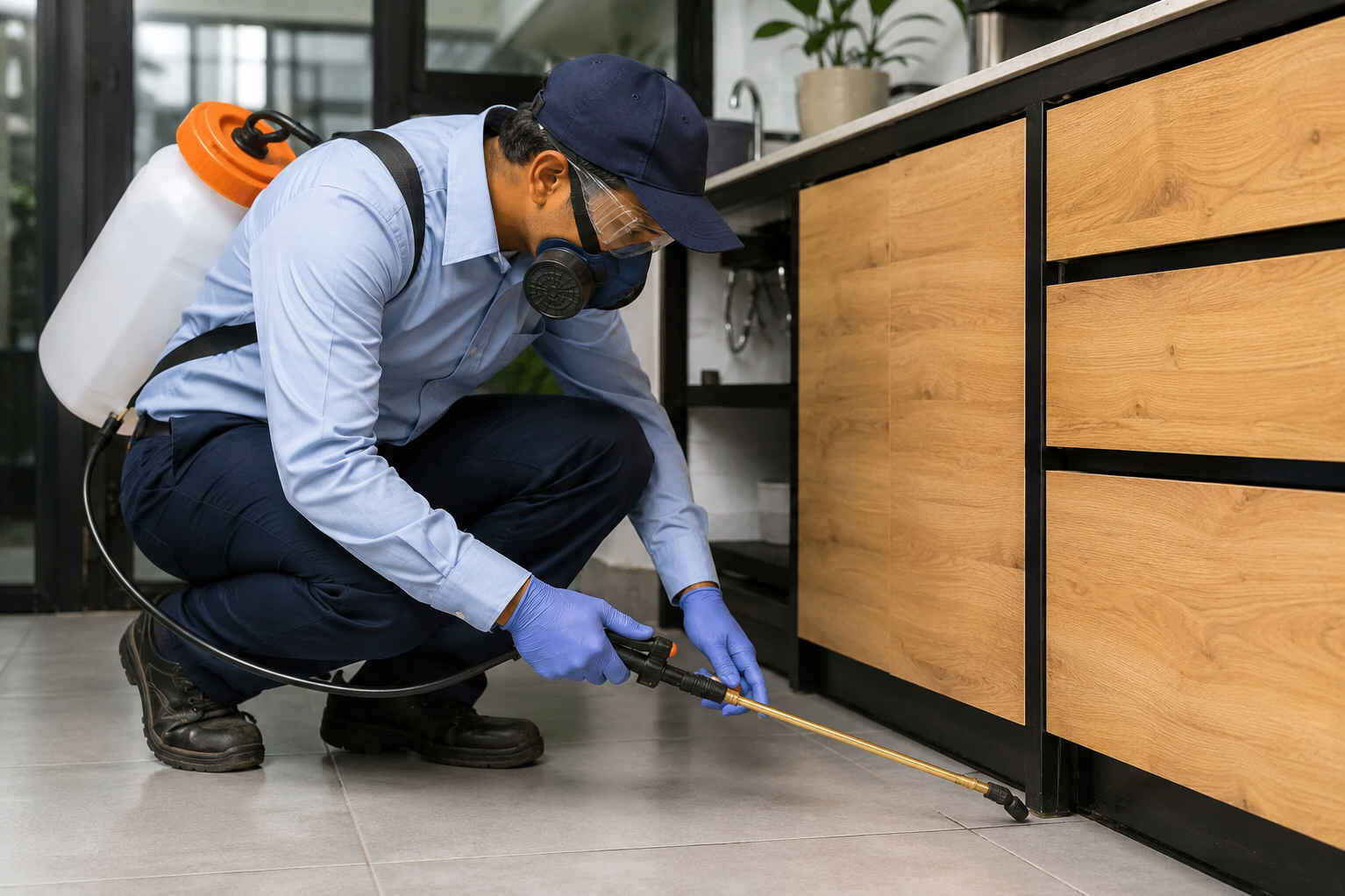
Property owners today have more pest control options than ever before. Alongside conventional chemical treatments, herbal pest control has gained popularity among homeowners and businesses looking for environmentally conscious solutions. Choosing the right approach depends on the type of pest, the level of infestation, and the property's specific requirements.
For residents and businesses around Wagle Estate Thane, understanding how these two approaches differ makes it easier to select an effective pest management plan.
Understanding Herbal Pest Control
Herbal pest control uses plant-derived ingredients and naturally formulated products to discourage or manage pest activity.
Its primary objectives include:
- Reducing pest populations
- Repelling insects
- Supporting preventive pest management
- Minimizing reliance on synthetic chemicals
Many herbal programs are incorporated into broader integrated pest management strategies.
Understanding Conventional Pest Management
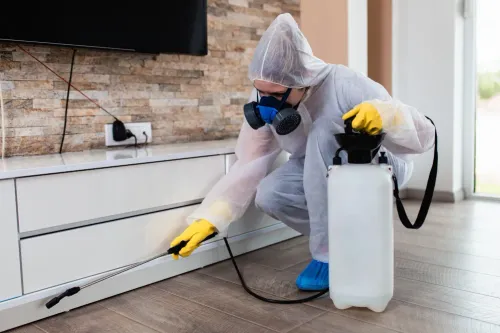
Conventional pest management relies on professionally approved pesticides and specialized treatment techniques.
These methods are commonly used for:
- Severe infestations
- Termite control
- Rodent management
- Bed bug treatment
- Commercial pest control
Professional application ensures treatments are selected according to pest species and property conditions.
Comparing Effectiveness
Both approaches offer advantages depending on the situation.
Herbal treatment is often preferred for:
- Preventive maintenance
- Mild infestations
- Frequently occupied homes
- Routine residential pest management
Conventional treatment is generally recommended when:
- Pest populations are extensive
- Structural damage is occurring
- Rapid control is required
- Specialized treatments are necessary
A professional inspection helps determine which option is most appropriate.
Environmental Considerations
Many homeowners choose herbal treatments because they wish to reduce chemical exposure inside living spaces.
Benefits may include:
- Mild odor
- Reduced chemical residue
- Suitable for preventive programs
- Environmentally conscious approach
However, conventional treatments remain valuable where complete elimination of established infestations is required.
Long-Term Pest Prevention
Regardless of treatment type, successful pest management depends heavily on preventive practices.
Important measures include:
- Good housekeeping
- Moisture control
- Proper food storage
- Waste management
- Sealing structural gaps
- Routine inspections
Without these habits, even effective treatments may provide only temporary results.
Which Properties Benefit Most?
Herbal and conventional methods are both used across:
- Apartments
- Independent homes
- Offices
- Schools
- Restaurants
- Hospitals
- Warehouses
- Retail stores
The treatment program should always reflect the property's specific pest risks rather than following a standard approach.
Why Professional Assessment Matters
Selecting the wrong treatment may lead to unnecessary costs or incomplete pest control.
Professional technicians evaluate:
- Pest species
- Infestation severity
- Property size
- Occupancy patterns
- Environmental considerations
- Long-term prevention requirements
This assessment ensures treatment is tailored to the actual problem.
Making an Informed Decision
Rather than viewing herbal and conventional treatments as competing options, many pest management programs successfully combine both approaches where appropriate.
Property owners seeking professional advice often consult Doctors Pest Control Service for customized pest management recommendations based on inspection findings.
Choosing the right pest management approach is ultimately about matching the treatment to the property's needs. A carefully planned strategy provides better protection, improved hygiene, and more sustainable long-term pest control.