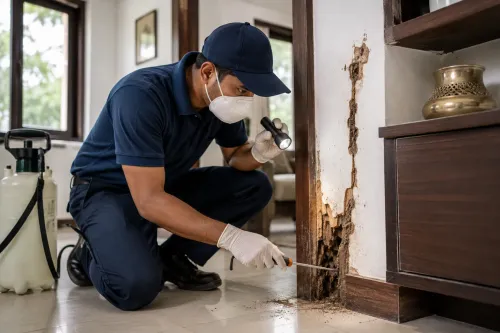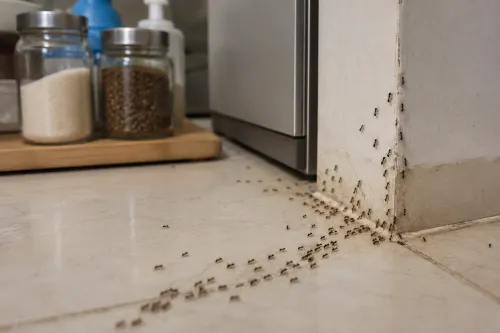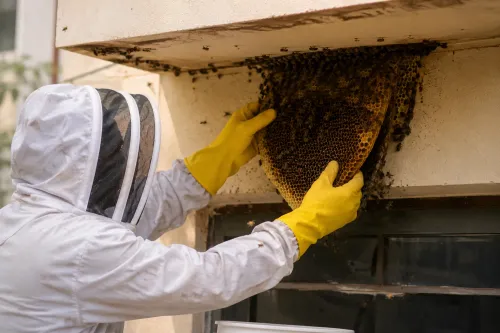

A restaurant, warehouse, office, retail store, and industrial facility may all experience pest problems, but they do not face the same risks. Food availability, stored materials, drainage, operating hours, employee movement, deliveries, and building design can dramatically change the type of pest activity present.
This is why commercial pest control solutions for different industries should be based on the operating environment rather than a one-size-fits-all treatment.
For businesses around Manpada, Thane, Maharashtra, pest management can form an important part of routine facility maintenance.
Restaurants Need Strong Food-Area Controls
Restaurants and commercial kitchens can attract cockroaches, ants, rodents, flies, and other pests because food, warmth, water, and hiding places may be readily available.
A pest-management plan should pay particular attention to:
- Food preparation zones
- Drainage areas
- Waste storage
- Dry-storage rooms
- Under-counter spaces
- Refrigeration equipment
- Delivery entrances
Good sanitation and structural maintenance remain essential even when professional pest treatments are being used.
Warehouses Have Different Vulnerabilities
Warehouses can provide extensive undisturbed hiding spaces, particularly around racks, cartons, pallets, corners, and loading areas.
Rodent activity may be especially important to investigate because rodents can contaminate stored goods and damage packaging or materials.
Regular inspection of loading bays and incoming goods can support preventive control.
Offices Need Discreet Pest Management
Office pest problems are sometimes underestimated because food production is not the primary activity.
However, pantry areas, waste bins, false ceilings, utility spaces, storage rooms, and workstations can still support cockroaches, ants, rodents, and other pests.
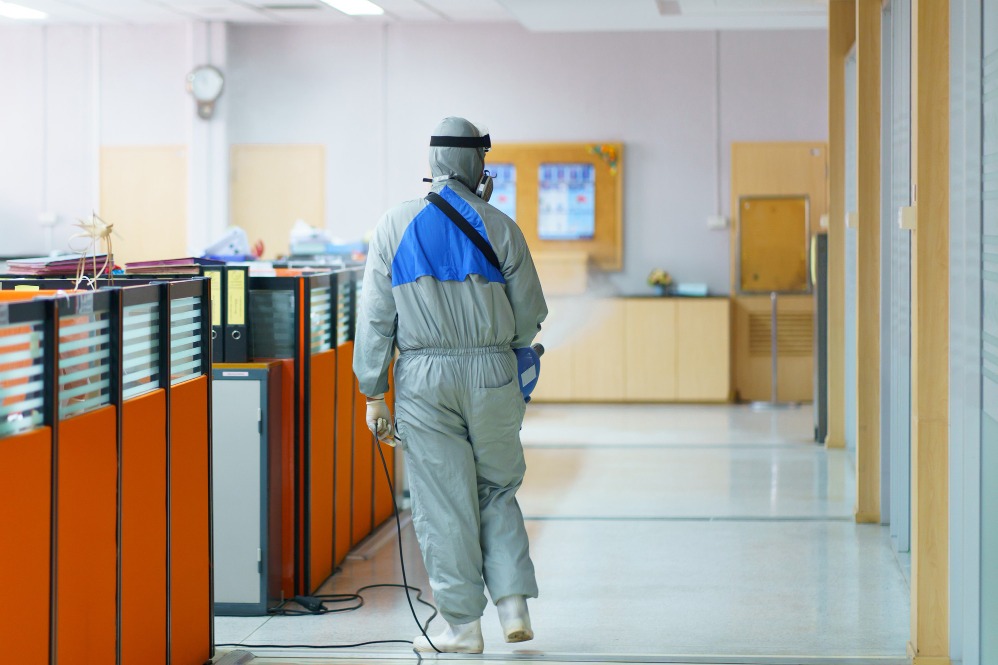
Treatment may need to be scheduled around business hours to minimize disruption.
Retail Establishments Need to Protect Stock
Retail properties often receive frequent deliveries, increasing the number of opportunities for pests to enter through cartons, crates, packaging, or open loading areas.
A combination of housekeeping, inspection, entry-point management, and appropriate treatment can reduce these risks.
Industrial Facilities Require Site-Specific Planning
Factories and industrial facilities may contain production areas, machinery, storage zones, drainage networks, canteens, loading bays, and external yards.
The pest-control plan needs to account for these different environments rather than treating the entire facility identically.
What Should a Commercial Pest Program Include
Depending on the site, a structured program may involve inspection, pest identification, treatment, monitoring, sanitation recommendations, entry-point identification, and follow-up.
Records can also be valuable for businesses that need to track recurring activity and identify patterns over time.
Selecting a Commercial Pest Control Provider
Businesses should look beyond a simple quotation and ask how the service provider assesses the property.
Useful questions include how infestations are identified, what preparation is required, which areas will be treated, whether follow-up is necessary, and how recurring pest activity will be monitored.
Doctors Pest Control Service works with residential and commercial properties across Manpada and other parts of Thane. For commercial environments, the treatment plan should reflect the site's actual operations and pest risks.
Effective commercial pest management is ultimately about prevention as much as treatment. A site-specific approach can help businesses identify vulnerabilities early and maintain a cleaner, more controlled working environment.